The Anyplace Ecosystem
One system. Six applications. Same parts, different geometry.
The Anyplace Ecosystem is the practical answer to the question Y Design asks: why should housing, commercial space, industrial space, disaster shelter, interior fitout, and rapidly deployable compute infrastructure each require a separate supply chain, a separate workforce, and a separate end-of-life pathway? They shouldn't. They don't have to. They don't, in this system.
The shared substrate
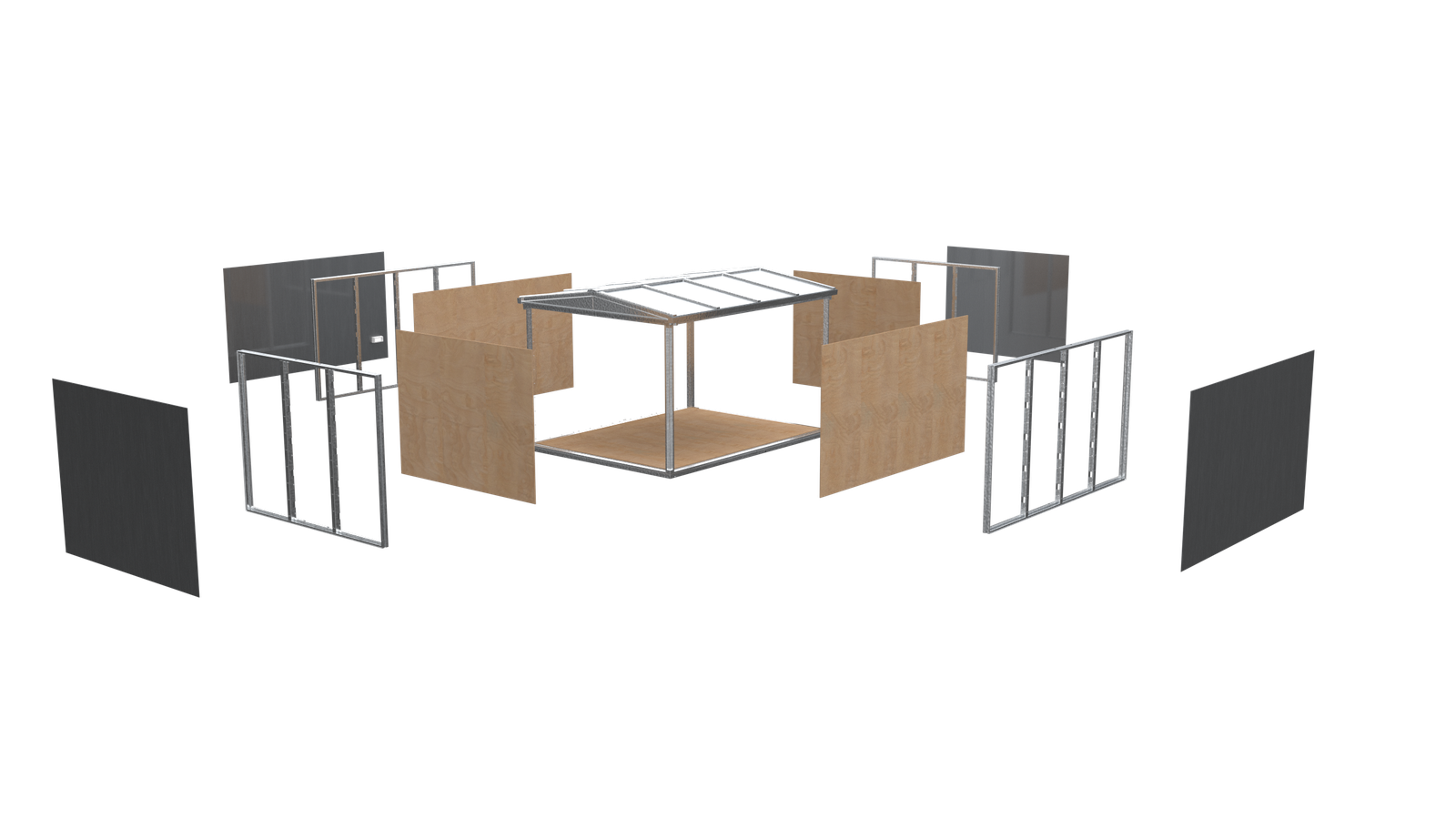
Every Anyplace application begins from the same 46-part modular system. Each module measures 4480 × 3430 × 2670mm and weighs 1983.47kg. Each assembles in one day with two people and fewer than ten tools. Each is built from primary aluminum sourced through the Hydro North America Technical and Economic Discovery Agreement. Each recovers 98% of its material value at end of life — measured across a completed ten-unit production pilot, not projected.
What changes between the six Anyplace applications is not the structure. It is the interior payload, the configuration, and the use. A residential module becomes a classroom by replacing the Payload interior. A classroom becomes a medical station by replacing it again. A medical station becomes a permanent home by replacing it once more. A pair of modules joined together becomes the structural envelope for compute infrastructure. The structural frame stays. The function moves.
The six applications
Anyplace Living
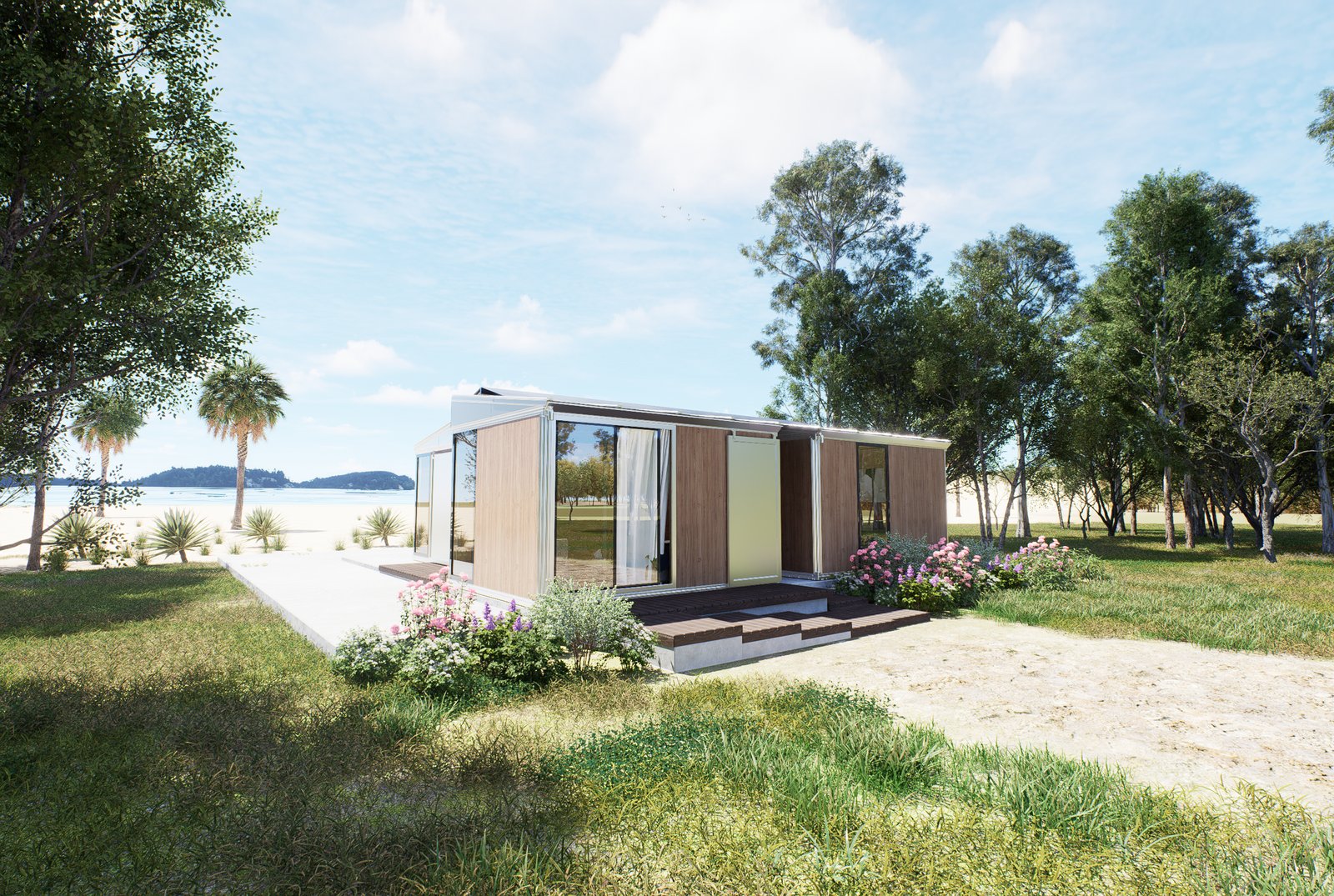
Housing at every income level.
Single-module dwellings starting at one bedroom, scaling module by module to two-bedroom, three-bedroom, and multi-family configurations. Financed module-by-module as personal property. Land mortgaged separately. The first manufactured housing asset with a documented, validated end-of-life floor value — making chattel financing structurally sound for the first time.
Anyplace Interiors
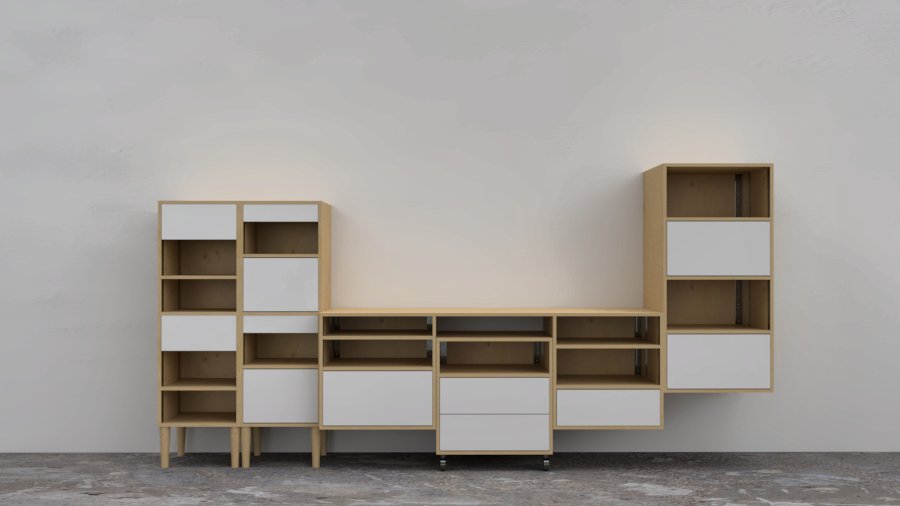
Payload — the cabinet system that breaks the kitchen mortgage trap.
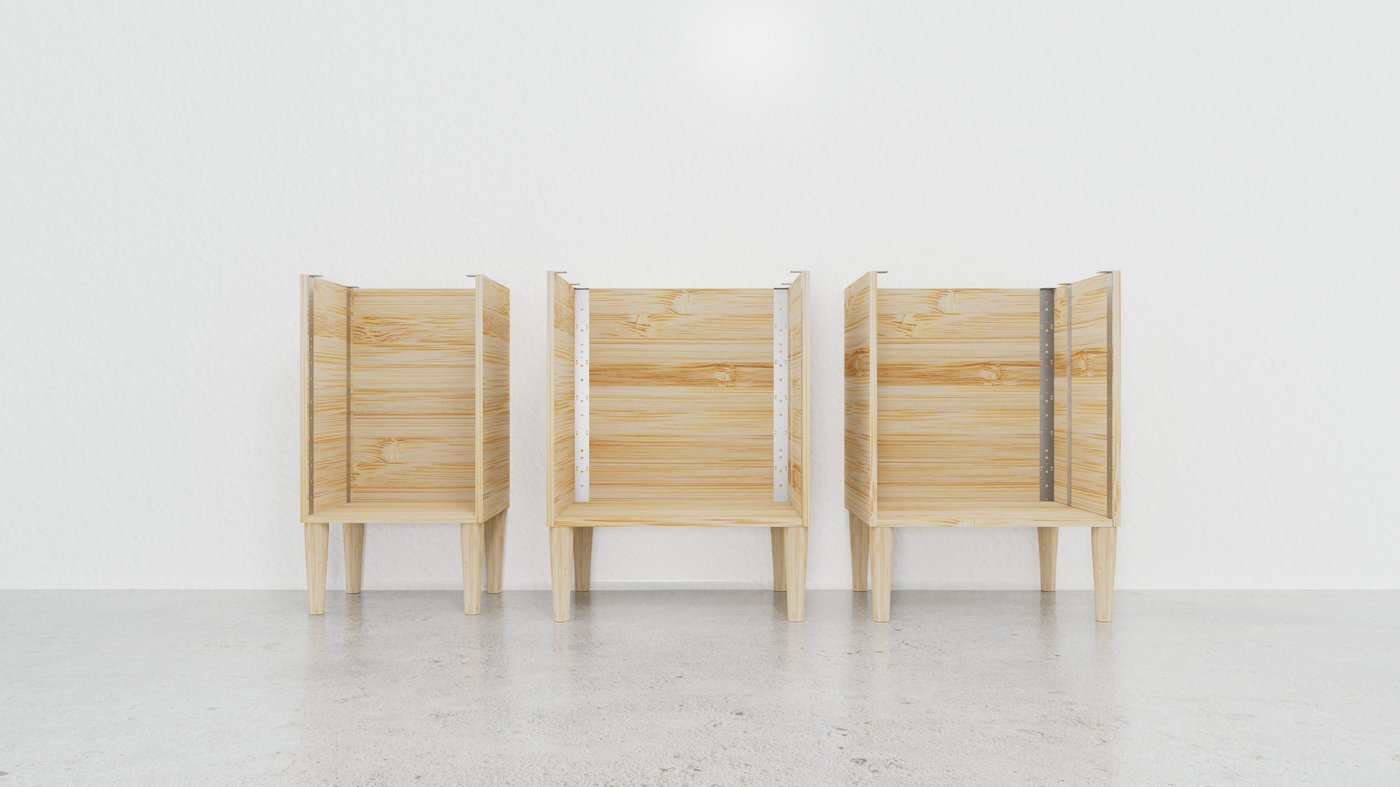
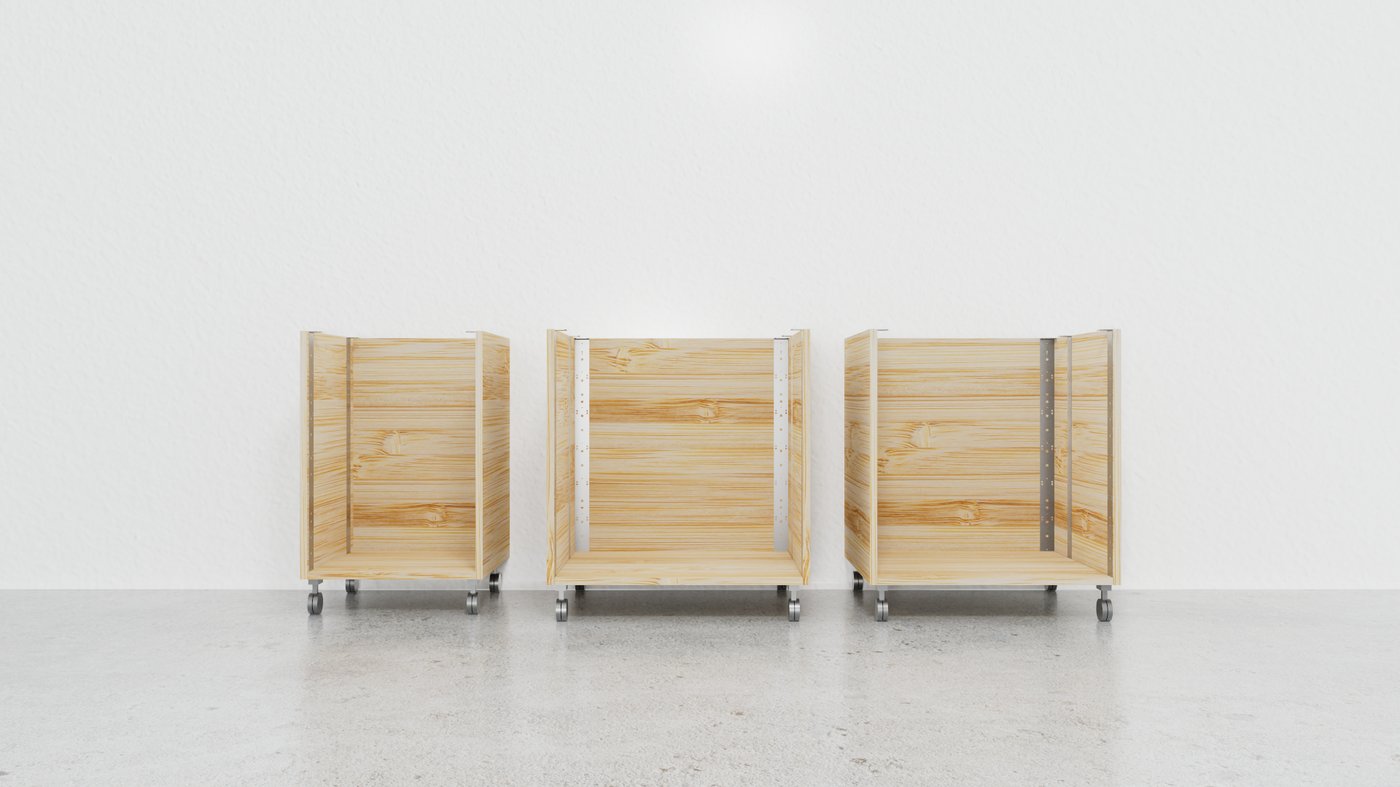
Developed with Rohanna Rastkar. Payload is the modular interior cabinet system that lets kitchens, bathrooms, and storage reconfigure as life changes — converting to nightstands, desks, mobile workstations via legs and wheels. Aging-in-place modification in one day, zero waste. End-of-use panels repurpose as construction fencing or concrete formwork.
Anyplace Industrial
Workforce housing, site offices, machine enclosures.
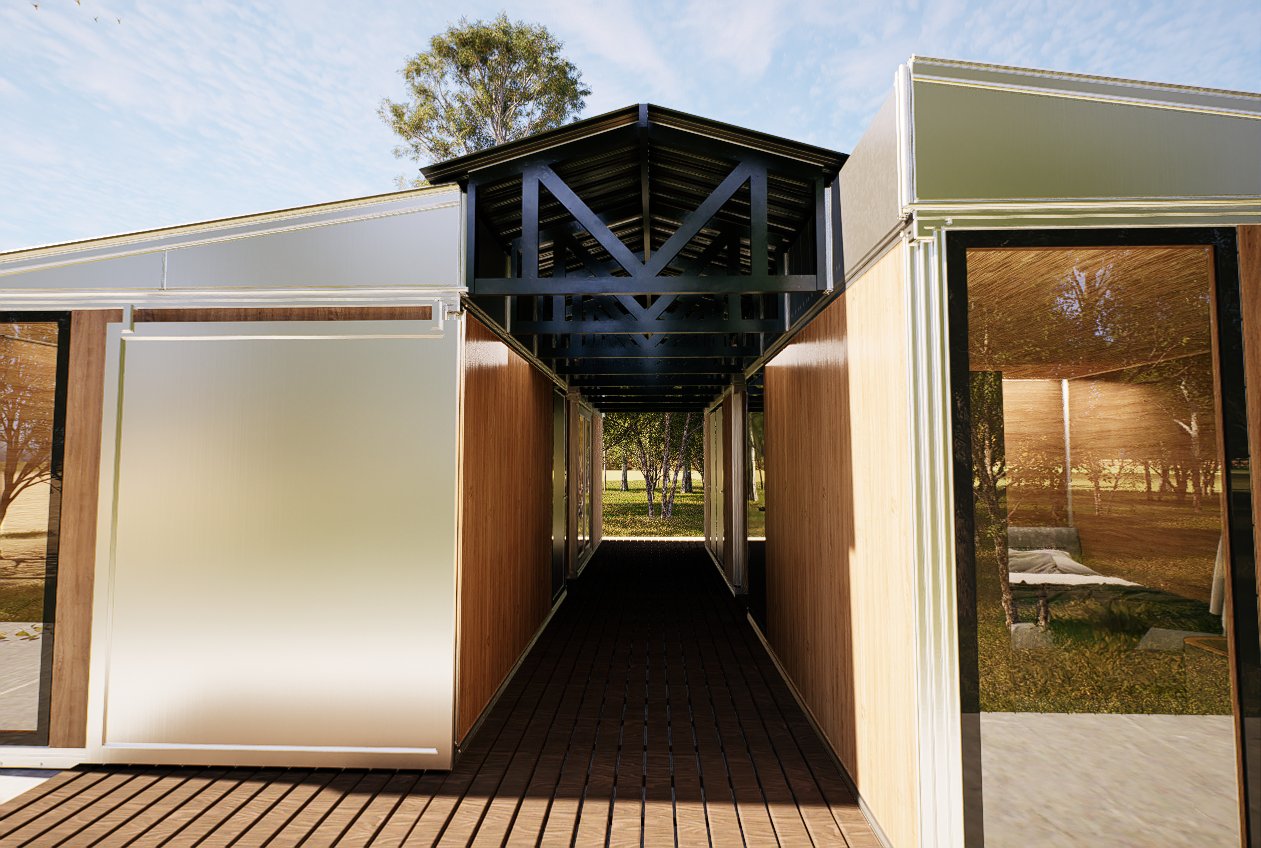
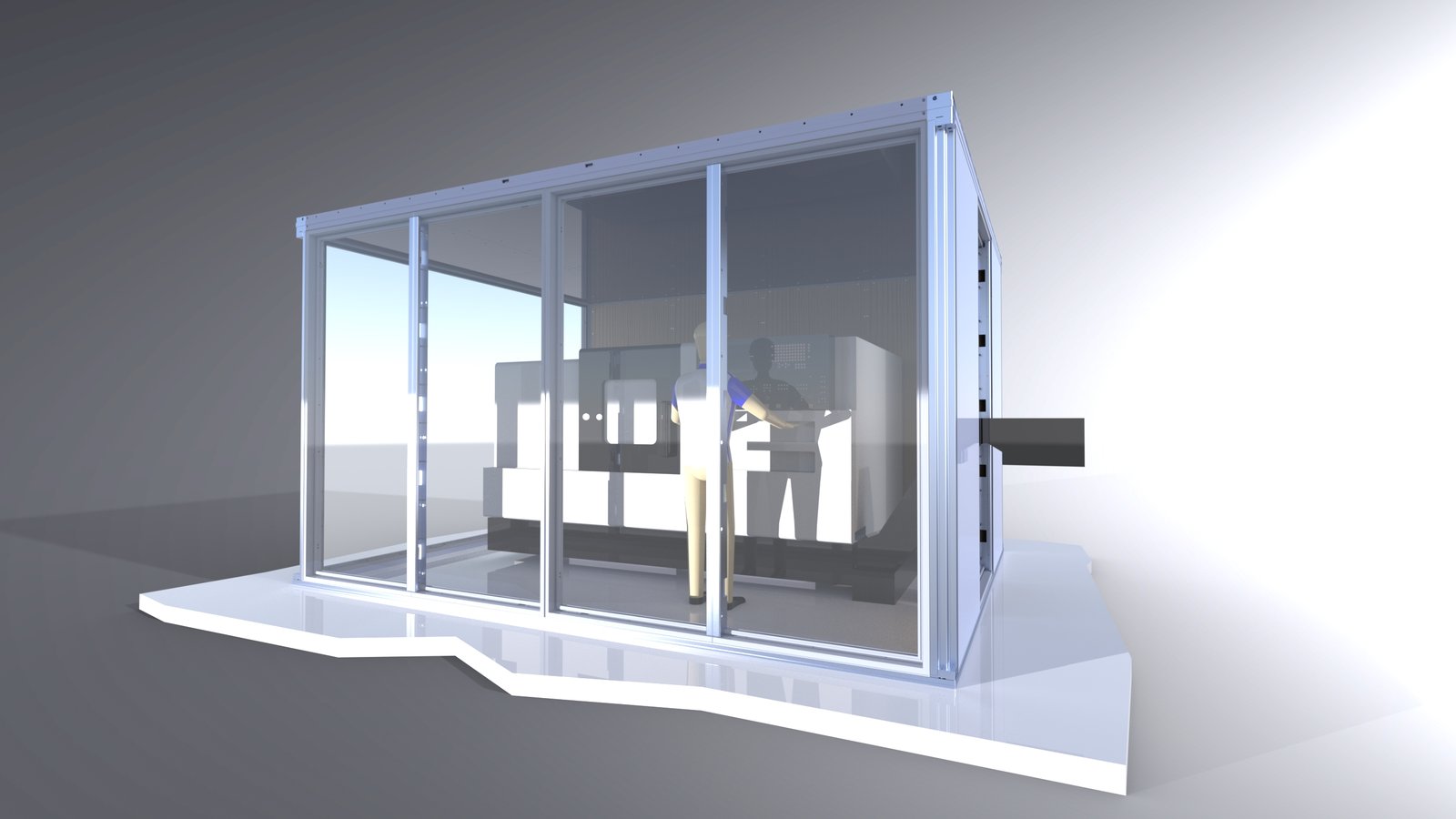
Industrial sites move. Workforces move. Machine tools that need sound enclosures, dust containment, or operator safety isolation need housing too. Anyplace modules serve all of these — assembled on arrival, disassembled and redeployed when the site finishes. Same frame as residential, configured for the operational use, leaving no permanent footprint and producing no demolition debris when the work concludes.
Anyplace Commercial
Retail, hospitality, office — built to flex.
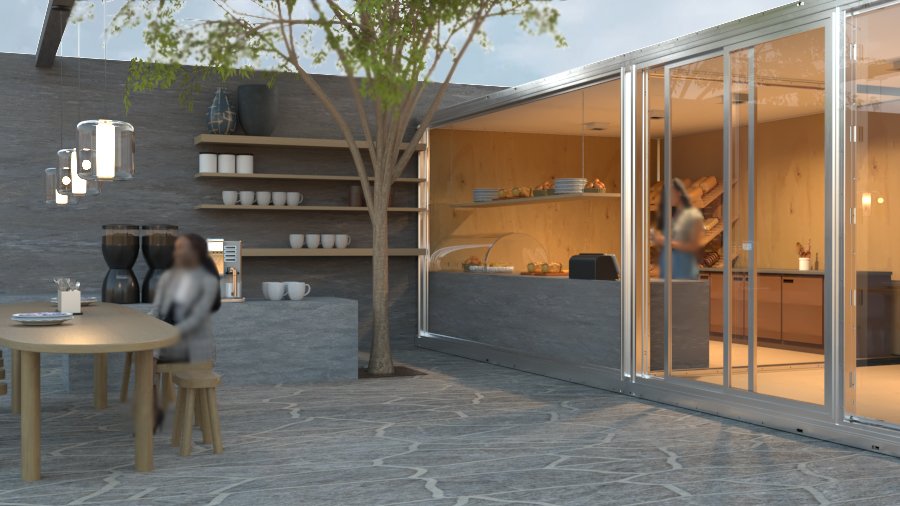
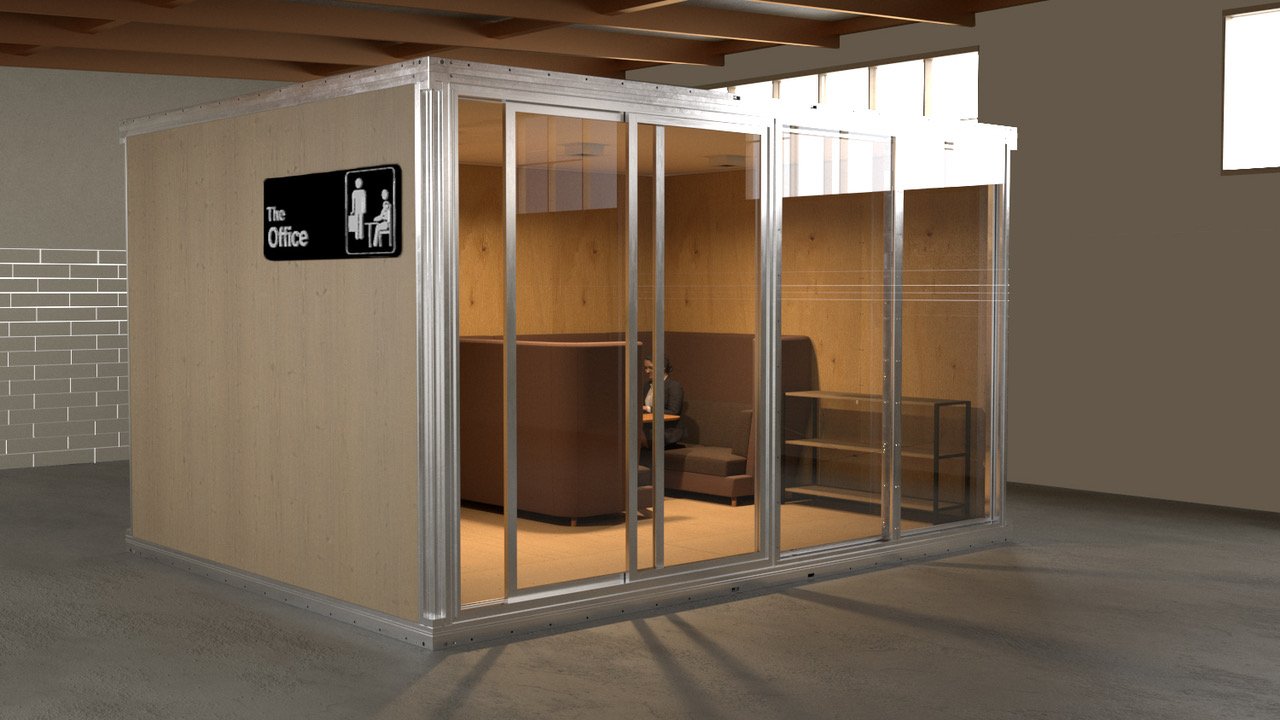
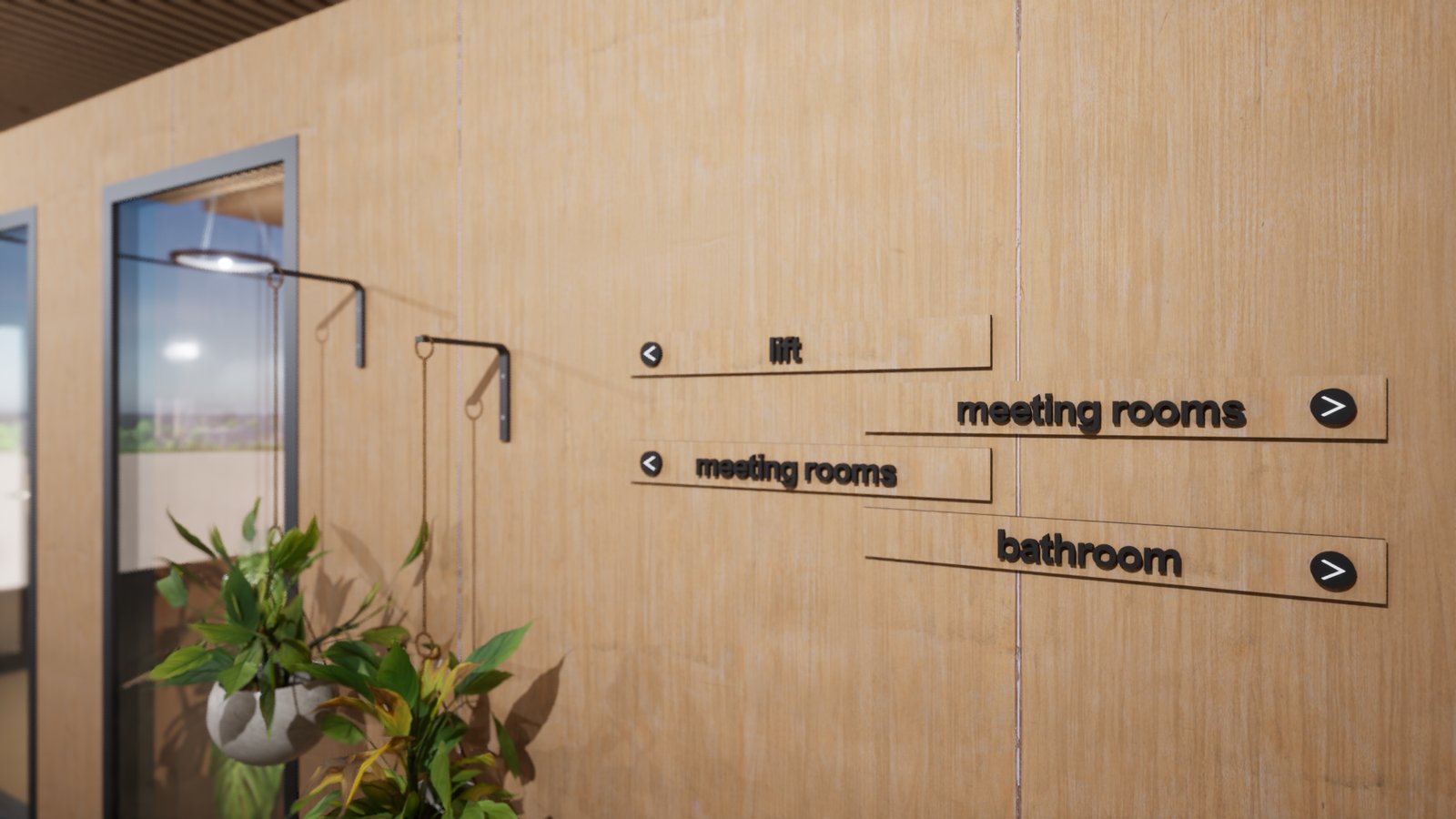
Conventional commercial fitout is one of the largest categories of construction waste in the world. A retail space rebuilt every five years sends its fitout to landfill every five years. Anyplace Commercial assembles into the configurations commercial use requires — cafés, retail counters, office meeting rooms, public visitor facilities — then disassembles back to inventory when the use ends. The fitout becomes a rotating asset, not a sunk cost.
Anyplace Relief
Disaster response that produces a permanent asset.
Pre-positioned containers deliver Anyplace modules to disaster sites within hours. National Guard or local responders assemble without cranes or heavy equipment. During the emergency phase, modules serve as accommodation, sanitation, community gathering, medical triage, command, and education.
Then the emergency ends.
Conventional disaster housing is removed and disposed of when the emergency-housing contract ends. FEMA-provided units in Maui carried a per-unit cost of $164,937, with all-in deployment costs above $600,000 once site preparation is included — for buildings with a designed useful life of 16–18 months. The post-emergency disposition is either sale at significant loss, donation to a non-profit, or scrapping. The federal government's expenditure produces no permanent asset.
The Anyplace alternative: the modules that housed displaced residents during the emergency become the permanent housing for those same residents after the recovery. The modules that served as emergency classrooms become the permanent school expansion. The modules that served as medical triage points become the permanent community medical clinic. Same modules. Different payload. New permanence.
The school story is the clearest example. Hurricane Helene damaged or destroyed schools across western North Carolina alongside the housing it took out. Months after the event, children in those communities were still learning in temporary trailers, FEMA tents, or transported by bus to distant intact facilities — disrupting the educational continuity of an entire generation of students in some of the most rural counties in the country. Anyplace Relief modules deployed as immediate classroom space during the emergency become the permanent school expansion once the rebuild concludes. Children's education is not disrupted for months or years. The school district ends the recovery period owning a permanent capital asset. No second procurement cycle. No second construction project. No demolition debris.
Anyplace Mission Critical
The structural envelope that goes where modular data centers cannot.
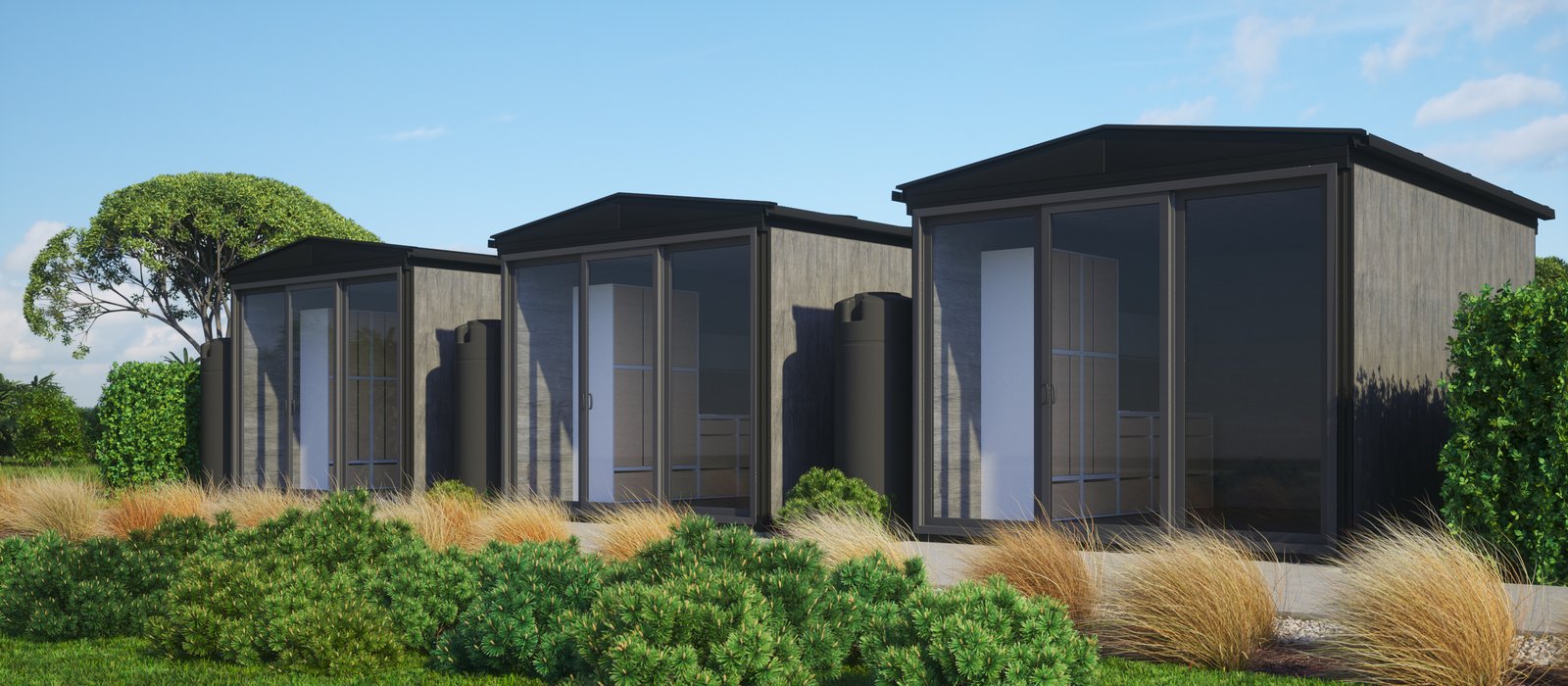
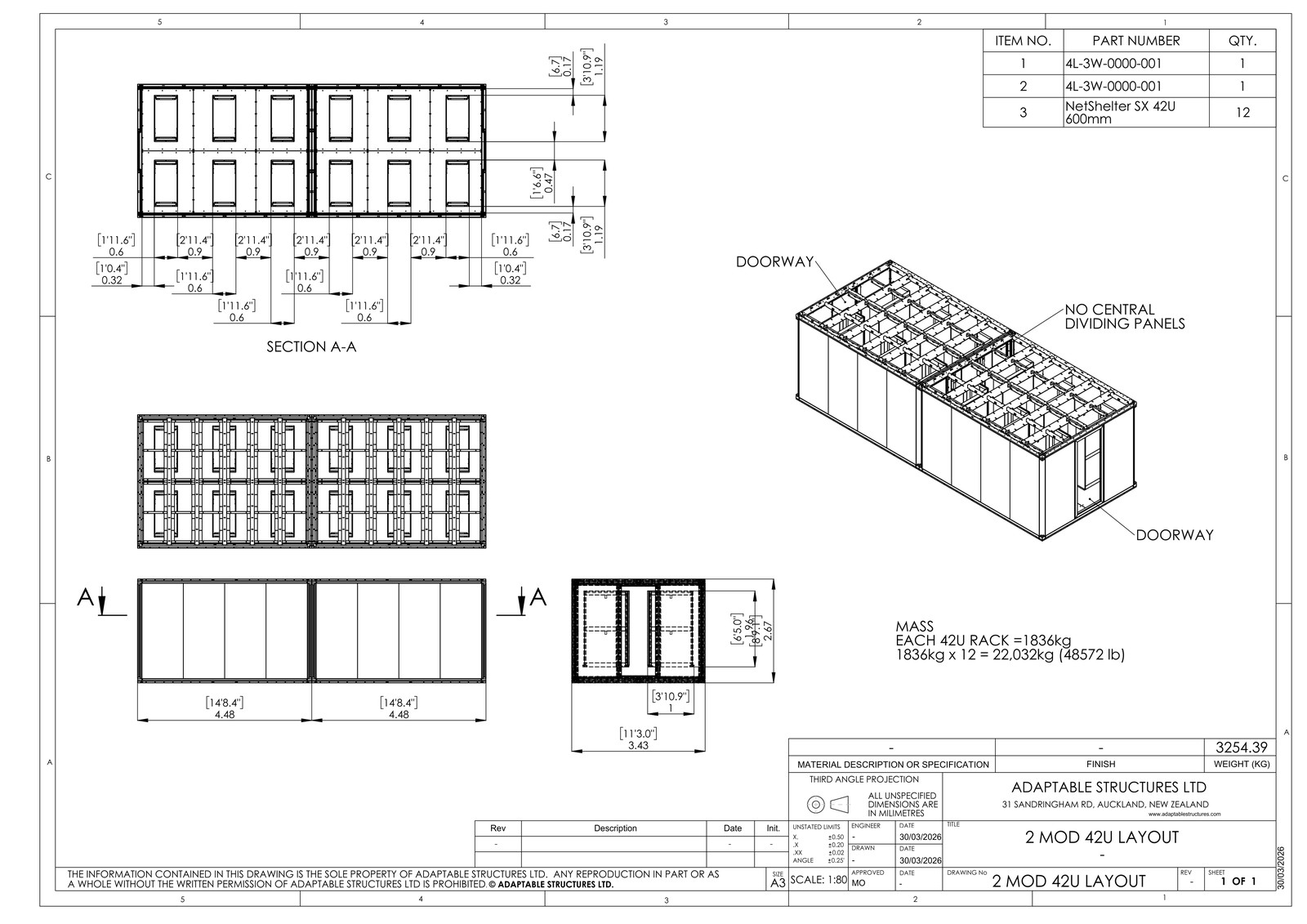
Two Anyplace modules joined into a single compute envelope. Twelve server racks suspended from the structural ceiling beam — floor structurally decoupled, raised-floor cooling distribution implicit in the geometry. Curtain wall solar decoupling for hot-climate deployment. Continuous aluminum envelope as a baseline Faraday cage and non-magnetic operating environment.
The deployment differentiator: the structure ships flat-pack, every component passes through a standard double-door opening, two people carry the parts. No crane at the destination. The brownfield conversion thesis follows directly — dead malls and vacant warehouses become operating data center sites, because Anyplace components enter the existing building through the existing doors. No competing modular data center shell can do this.
The unit documented in the 30 March 2026 engineering drawing is under application verification. It has not yet been built. The page is published openly for the federal compute integrators, hyperscaler real-estate teams, defense primes, telecom edge planners, and brownfield conversion developers whose conversation this work is for.
Why this works as one system
Conventional construction treats the six applications above as six separate industries. Each has its own supply chain, its own contractor base, its own regulatory pathway, its own end-of-life problem. The Anyplace Ecosystem treats them as six faces of the same patented geometry. The supply chain is shared. The contractor base is shared (or eliminated — two people with standard tools). The regulatory pathway converges on the modular building codes that Florida's 2026 legislation and the ICC AMM pathway are opening. The end-of-life problem is solved once, for all six.
This is what "Anyplace" means. Not "anywhere geographically" — though that is also true. Anyplace functionally. Any function the patented frame can support, the frame supports. The function is in the payload. The structure is in the geometry. The geometry is in the patent.
The Anyplace Ecosystem is operationally protected by patents US9598852B2, NZ722998, and AU2015201461B2. The keying-rib joining system that makes the geometry possible is material-agnostic and geometry-agnostic — a broad and structurally strong patent position covering the functional principle, not a specific implementation. Validation record →